Let’s be honest. Data privacy feels less like a technical challenge and more like navigating a maze in the dark. Regulations shift, borders become digital battlegrounds, and the threat of a breach looms… well, constantly. For organizations handling sensitive citizen, financial, or health data, the public cloud—for all its power—can sometimes feel like a risky bet.
That’s where sovereign cloud solutions enter the picture. Think of them not just as another data center location, but as a fundamentally different legal and operational framework. It’s about asserting digital sovereignty—keeping your data under the legal jurisdiction and control of the country where it resides. This isn’t just about where the servers are; it’s about who makes the rules.
What Exactly Is a Sovereign Cloud? Breaking Down the Buzzword
Sure, you’ve heard the term. But what does it mean in practice? At its core, a sovereign cloud ensures that data is subject to the laws and governance structures of a specific nation or region. It’s a cloud environment designed with jurisdictional control as the first principle, not an afterthought.
Key pillars typically include:
- Data Residency: Data physically stays within defined geographic borders. No replication to global regions without explicit consent.
- Legal Immunity: Protection from foreign laws and overreach, like the U.S. CLOUD Act or other extraterritorial legislation. This is a huge one for EU entities, frankly.
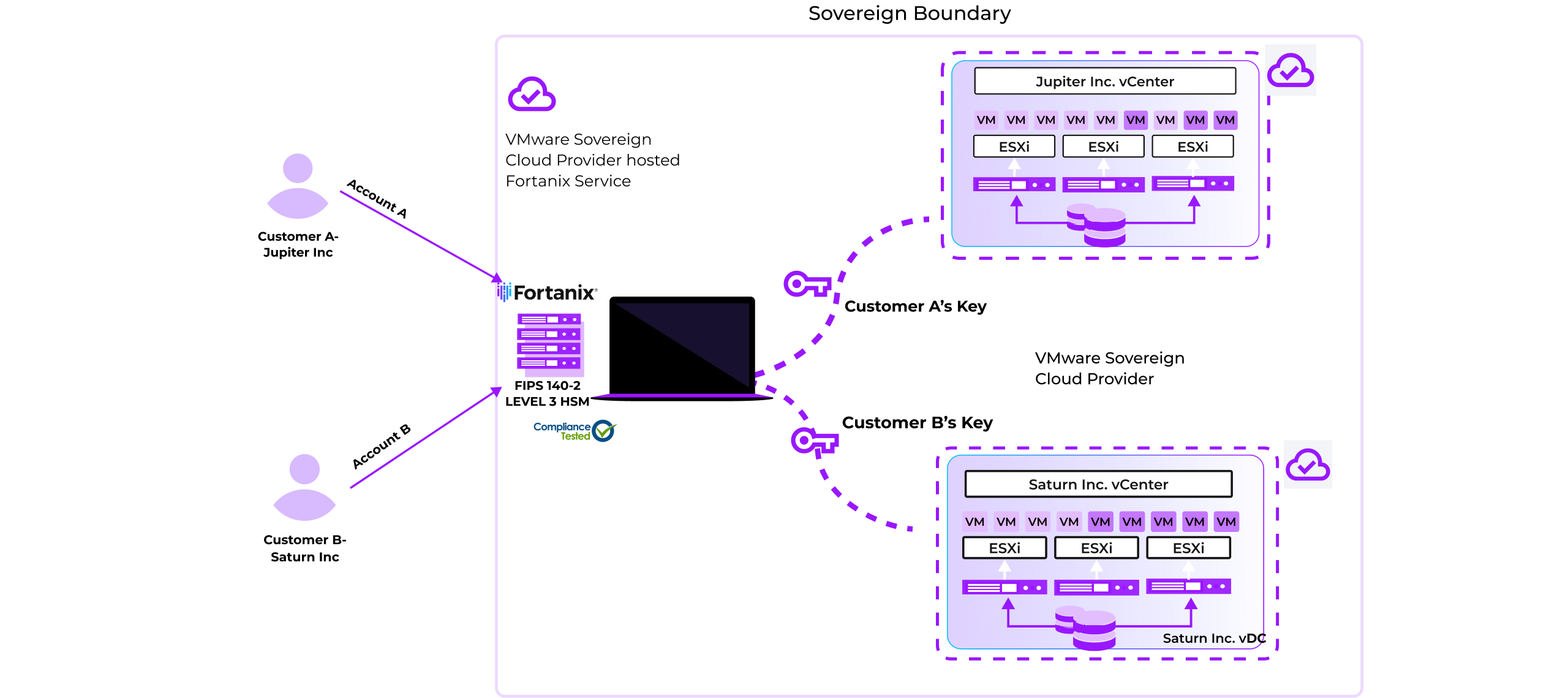
- Local Operational Control: The infrastructure and operations are managed by entities based within the country, often with strict personnel screening.
- Independent Certification: Compliance is verified by local or regional authorities, not just the provider’s internal audits.
It’s like choosing to store your vital documents in a local, highly-secure vault with its own dedicated guards and rulebook, rather than in an international bank that answers to multiple governments. The level of control is simply different.
The Compliance Engine: How Sovereign Clouds Simplify the Maze
Here’s the deal. For sectors like healthcare, government, and finance, compliance isn’t optional—it’s existential. Sovereign clouds act as a powerful compliance engine, drastically reducing the overhead of managing complex regulatory landscapes.
| Regulation/Need | How Sovereign Cloud Addresses It |
| GDPR (EU) | Ensures data never leaves the EU/EEA, simplifying Article 44+ transfers and bolstering “by design” compliance. |
| Schrems II Ruling | Mitigates risk by eliminating exposure to non-adequate third-country surveillance laws. |
| Industry-Specific Rules (e.g., HIPAA, FERPA, FINMA) | Provides a controlled foundation upon which specific industry certifications can be reliably built and maintained. |
| National Security Mandates | Meets strict in-country data sovereignty requirements for government and defense contractors. |
The beauty is in the simplification. When the infrastructure itself is designed to comply with local law, you’re not constantly patching and auditing to force compliance. You’re starting from a compliant foundation. That’s a game-changer for lean compliance teams.
Beyond the Checklist: The Strategic Advantages
Okay, so it helps with compliance. But the benefits run deeper, into genuine business strategy.
First, trust becomes a tangible asset. In an era of consumer data skepticism, being able to transparently state that citizen data never leaves national soil is a powerful differentiator. It builds public and partner trust in a way generic cloud claims often can’t.
Second, it future-proofs your operations. As data localization laws proliferate globally—from India to Brazil to Saudi Arabia—having a model built on sovereignty means you can adapt faster. You’re already playing the long game.
And third, let’s talk about latency and performance. Often, sovereign cloud providers operate local data centers that can offer superior performance for in-country users. It’s a side benefit that feels anything but secondary to your end-users.
Navigating the Trade-offs: It’s Not All Perfect
Look, no solution is a silver bullet. Sovereign cloud can sometimes mean higher costs compared to hyperscale global providers due to scale. There might be a more limited selection of cutting-edge, ready-to-deploy SaaS tools immediately available in the ecosystem.
The key is to conduct a data criticality assessment. Not all your data needs this level of protection. A hybrid or multi-cloud approach, where only your most sensitive, regulated workloads reside in the sovereign cloud, is a pragmatic and common path. You know, use the right tool for the job.
Choosing a Sovereign Cloud Provider: What to Ask
If you’re considering this route, move beyond the marketing. Dig in with these questions:
- Who legally owns the infrastructure and the data? Get it in writing.
- What is the exact chain of operational control? Are all administrators domestic entities?
- How is data isolation enforced, both logically and physically?
- What independent, local certifications do they hold? (e.g., BSI C5 for Germany, SecNumCloud for France).
- What’s their disaster recovery model? Even backups must stay sovereign.
Their answers will tell you everything.
The Bigger Picture: Sovereignty as a Strategic Choice
Ultimately, leveraging sovereign cloud solutions is about more than checking a compliance box. It’s a strategic declaration of control in a fragmented digital world. It acknowledges that data isn’t just an asset—it’s a responsibility to your customers, your citizens, and your national context.
As digital borders continue to harden, the organizations that proactively embrace this model won’t just be avoiding fines. They’ll be building a fortress of trust—and turning data privacy from a daunting maze into a clear, navigable path forward. That’s not just good IT. It’s good business.