Let’s be honest. The Web3 space is noisy. It’s a whirlwind of new tokens, NFT drops, and protocols promising to reinvent everything. In that chaos, a slick logo and a cryptic manifesto just don’t cut it anymore. If you want your project to last beyond the next market cycle, you need something deeper. You need a real brand foundation.
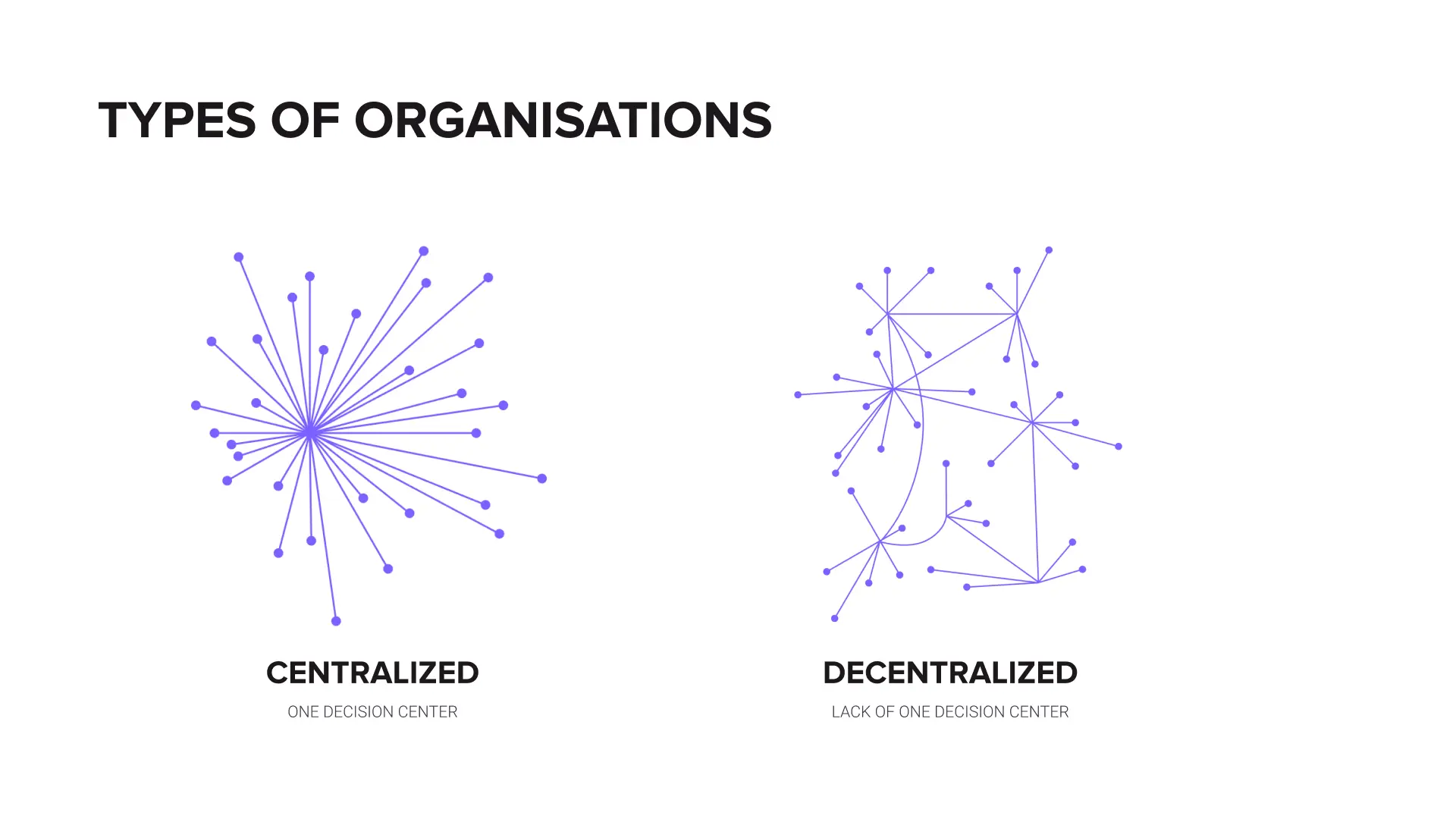
And here’s the deal: building a brand in Web3 isn’t like building one for a traditional startup. You’re not just talking to customers; you’re cultivating a decentralized community of owners, contributors, and advocates. The old rules of top-down control are, well, pretty much useless. Your brand is no longer what you say it is—it’s what the community collectively believes and builds. That’s a scary shift, but also an incredible opportunity.
Why Branding in Web3 is a Different Beast
Think of a traditional brand as a castle. The company builds the walls, controls the gates, and broadcasts messages from the towers. A Web3 brand, on the other hand, is more like a thriving, ancient city built on common law. The founders might lay the first stones and the central plaza, but then the citizens move in. They build their own houses, open shops, and create culture. The city’s reputation—its brand—is shaped by every interaction within it.
This means your core challenge is alignment, not just awareness. You’re establishing a shared belief system. Without that foundation, fragmentation is inevitable. You’ll see conflicting narratives, confused contributors, and a community that can’t tell its own story to the outside world. Not good.
The Pillars of Your Web3 Brand Foundation
So, where do you start? Forget the fancy visuals for a second. Let’s dig into the non-negotiable, underground pillars that everything else will rest on.
1. Purpose & Values: The “Why” That Can’t Be Forked
In a space obsessed with code forks, your purpose is what can’t be forked. It’s the soul of the project. “To make money” is not a purpose. “To democratize access to venture capital” or “To preserve digital art for generations” might be.
Your values are the rules of engagement. Are you radically transparent? Obsessed with open-source collaboration? Committed to progressive decentralization? List them. Live them in your governance forums, your Discord chats, your code commits. These values become the community’s compass when decisions get tough.
2. Narrative & Storytelling: Beyond the Whitepaper
People connect with stories, not technical specs. Your narrative is the compelling story you tell about the past, present, and future. It answers: What world are we coming from? What’s broken? What are we building together? And what does that new world look like?
This story has to be simple enough for a newcomer to grasp, but rich enough for a long-term holder to find new layers. It’s not a marketing copy—it’s the mythos of your community. And you have to leave blank spaces in that story for members to fill in with their own experiences and contributions. That’s how ownership feels.
3. Visual & Verbal Identity: Consistency in Chaos
Okay, now we can talk about visuals. With a community creating memes, threads, and derivative art, a strong, flexible identity is crucial. It’s the glue that makes a thousand pieces feel like part of one mosaic.
This includes:
- A flexible visual system: A logo, color palette, and fonts that work on a DAO dashboard, a meme, and a conference banner. Provide assets and guidelines, then encourage creative use.
- A clear voice & tone: Is your project’s communication academic? Punk-rock? Welcomingly nerdy? Decide. This voice should resonate in your docs, your social posts, even your smart contract comments.
The goal isn’t robotic uniformity. It’s cohesive recognition. You know a street artist’s work even when it’s on different walls, right? That’s the feeling you want.
Turning Community into Co-Creators
This is the magic part. Your community isn’t an audience; they’re your brand’s co-creators. Your job is to build the stage, provide some key props, and then let the play unfold. Facilitate, don’t dictate.
How? Well, you can establish clear branding guidelines (call it a brand manifesto, maybe) and make it publicly accessible. Then, reward authentic community creations that align with your core pillars. Showcase them. Feature community art on your homepage. Let a meme born in your Discord become an official part of the lore.
This builds incredible loyalty. When someone sees their own work reflected in the project’s identity, their stake becomes emotional, not just financial.
The Decentralization Dilemma: Guiding, Not Governing
As your project decentralizes, the core team’s control over the brand will—and should—weaken. That’s the point. Planning for this transition is critical. You need to embed the brand foundation (the purpose, values, narrative) into the project’s very infrastructure. Think of it like a constitution.
Governance proposals can be evaluated against the stated values. Treasury requests for marketing can be assessed on narrative alignment. The community itself becomes the steward of the brand. This is messy, sure. But it’s also what makes a Web3 brand resilient and authentic. It’s no longer one company’s asset; it’s a collective good.
Avoiding the Common Pitfalls
Let’s look at some quick, real-world traps that can sink your branding efforts before they even really start.
| Pitfall | Why It Fails | The Better Path |
| Over-promising a “vibe” | Claiming to be “for the community” while making all decisions in a private Telegram. Instant credibility loss. | Let your actions, governance, and open channels define the vibe. Prove it. |
| Neglecting the “why” | Jumping straight to tokenomics without a story. People have nothing to connect to emotionally. | Lead with the narrative. Frame the token as a tool to advance the purpose, not the purpose itself. |
| Rigid control | Lawyering up to DMCA every unofficial meme. This kills the organic culture you need. | Provide a strong, open-source brand kit. Guide, don’t police. Celebrate great fan art. |
In fact, the projects that feel most “alive” are often the ones where the brand has clearly escaped the founder’s sole control and taken on a life of its own in the community. That’s not a loss of control; that’s brand success in Web3.
Building for the Long Term
Ultimately, building a brand foundation for a decentralized community is an act of faith. You’re planting a tree whose final shape you’ll never fully see. You just need to make sure the roots—your purpose, your values, your core story—are deep enough and strong enough to weather storms and support wild, unexpected growth.
It’s not about crafting a perfect image. It’s about architecting a resilient, shared identity that empowers thousands of people to build, belong, and believe in something bigger than a price chart. And that, when you get it right, is something truly powerful. Something that might just outlast us all.