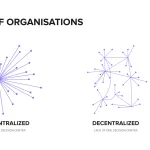
Let’s be honest. The old command-and-control playbook for brand messaging? It’s gathering dust. Today, your brand isn’t just what your marketing department says it is. It’s what your employees show it is—on LinkedIn, TikTok, Twitter, you name it. Every post, every comment, every shared article is a brushstroke on the public canvas of your company’s reputation.
This is the new reality of employee-led social media and personal branding. It’s powerful. It’s authentic. And without the right framework, it can feel like herding cats while trying to build a cathedral. That’s where the twin concepts of brand stewardship and social media governance come in. They’re not about building walls. They’re about building a shared foundation.
Stewardship vs. Governance: It’s a Mindset, Not Just a Rulebook
First, let’s untangle these two ideas, because they work hand-in-glove but serve different purposes.
Brand Stewardship is the “why.” It’s about cultivating a sense of shared ownership and responsibility. You’re empowering your people to be caretakers of the brand’s essence. Think of it like tending a community garden—you provide the seeds (core values), the tools (guidance), and the vision, but everyone helps it grow.
Social Media Governance, on the other hand, is the “how.” It’s the practical framework—the guidelines, approval processes, and legal guardrails that keep everyone safe and aligned. This is the trellis that supports the garden’s growth, ensuring it doesn’t become a wild, thorny mess.
The goal isn’t to create corporate clones. It’s to harmonize individual voice with collective integrity. A messy, beautiful choir, not a single robotic speaker.
The Core Pillars of a Modern Governance Framework
Okay, so what does this framework actually look like? Ditch the 50-page PDF no one will read. Effective governance for employee advocacy is built on a few clear, accessible pillars.
1. Clarity, Not Control: The Policy Document
Your social media policy should be a lighthouse, not a leash. It needs to answer the big questions in plain language:
- Transparency is key: “Are you an employee? Say so. This isn’t a secret.”
- Respect & Confidentiality: What’s off-limits? (Think: unreleased financials, private client data, internal drama).
- Navigating Disagreement: How to discuss industry controversies or even company missteps? Provide a channel, don’t just say “don’t.”
- The Golden Rule: If you wouldn’t say it in a room full of customers and colleagues, maybe don’t post it.
2. Empowerment Through Education
You can’t expect stewardship without tools. Regular, engaging training is non-negotiable. Cover the basics of personal branding—how a great bio works, the art of adding value instead of just broadcasting. Run workshops on using visual storytelling or writing thought-leadership pieces that reflect well on their expertise and the company’s vision.
This is where you shift from “don’ts” to “do’s.” It’s incredibly motivating.
3. The Toolbox: Practical Support
Make it easy to do the right thing. Provide a simple, internal hub with:
- Approved brand assets (logos, hashtags, boilerplate descriptions).
- A library of shareable, pre-approved content (though encourage original thought!).
- A clear, low-friction process for getting posts reviewed when necessary (e.g., sensitive topics).
The Delicate Dance: Personal Brand vs. Company Brand
Here’s the trickiest part, honestly. An employee’s personal brand is theirs. It’s their career currency. The magic happens when their authentic voice aligns with and amplifies the company’s values. The governance goal is to manage the overlap, not own the entire circle.
Think of it like this: A brilliant engineer at a green tech firm builds a personal brand around sustainable coding practices. That’s a win-win. Their credibility boosts the company’s, and the company’s mission gives their voice a powerful platform. The governance framework just ensures they both sing from the same hymn sheet on key facts and tone.
Measuring What Matters (Beyond Vanity Metrics)
How do you know your stewardship efforts are working? Look beyond likes and shares. You need to track impact. A simple table can help focus efforts:
| What to Measure | Why It Matters |
| Employee Participation Rate | Gauges overall engagement and buy-in. |
| Quality of Engagement (Comments, Meaningful Shares) | Shows if content sparks real conversation. |
| Sentiment Analysis in Comments/Mentions | Tracks brand perception shifts. |
| Attribution to Lead Generation | Connects activity to pipeline (using trackable links, promo codes). |
| Recruitment Metrics | Are top candidates citing employee content as a reason for applying? |
These metrics tell a story of influence, not just noise.
Navigating the Inevitable: When Things Go Sideways
Mistakes will happen. A post will be misconstrued. Someone will vent in the wrong forum. Your governance plan must include a compassionate, swift response protocol. This isn’t just PR—it’s people relations.
Have a designated point of contact. Train leaders to have private, coaching-focused conversations, not public floggings. Often, a misstep is a teachable moment, not a fireable offense. How you handle the stumble can actually strengthen trust and demonstrate true stewardship in action.
Cultivating a Culture of Stewards
Ultimately, this all circles back to culture. You can’t policy your way into genuine advocacy. It has to be nurtured. Recognize and celebrate great employee storytelling. Share internal success stories. Let your people see the impact of their voices.
In fact, the most powerful brand stewards are often those who feel trusted, equipped, and valued—not those who feel policed.
The future of brand building is distributed. It’s human. It’s a bit messy. By marrying empathetic stewardship with clear governance, you don’t just mitigate risk. You unlock an army of authentic voices, each telling a part of your brand’s story in a way no corporate channel ever could. That’s not just marketing. That’s a lasting legacy.